Decor encompasses a wide range of textile components designed to enhance living spaces with texture, color, and function. In this category, materials such as bedding and table linens are examined for durability, care requirements, and design compatibility with various interior styles. Understanding fabric weight, weave, and fiber content helps consumers select pieces that align with daily use and aesthetic goals.
Key features commonly evaluated include thread count, natural versus synthetic fibers, and finish treatments that affect softness, warmth, and breathability. Duvet covers, bed skirts, and sheets each serve distinct roles in bed presentation and comfort. Proper layering and sizing considerations ensure a cohesive, practical bedroom setup that supports restful sleep and easy maintenance.
Within the category, durable design logic emphasizes ease of care, stain resistance, and colorfastness. For example, cotton and linen blends may offer improved moisture management and longevity, while blends with Polyester can enhance wrinkle resistance. These factors influence long-term performance in daily use, laundering cycles, and seasonal redecorating projects.
Understanding product relevance involves evaluating how decor items interact with other household textiles, such as table linens and napkins for dining spaces. Coordinate patterns and solid tones can create unified aesthetics across rooms, while contrasting textures add visual interest. Material choices should reflect practical needs like spill resistance and foldability for routine upkeep.
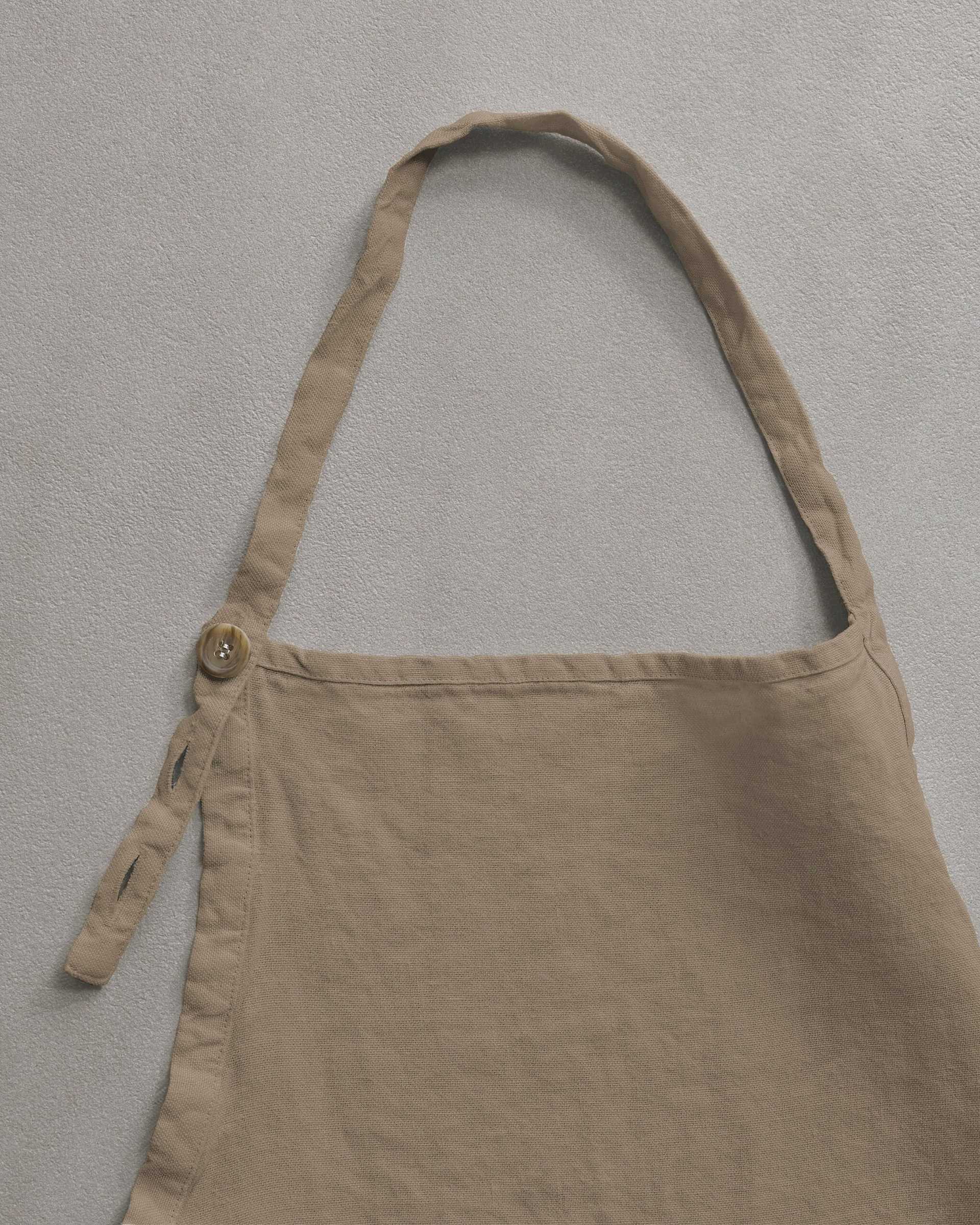
Examples like Bon Aprons Kitchen illustrate how specialized textiles integrate with decor systems, offering features such as reinforced seams, machine washability, and ergonomic design benefits. Recognizing the functional benefits of these items—cover protection, easy replacement, and consistent color stability—helps inform informed decisions about space planning and everyday usability.
 Decor
Decor