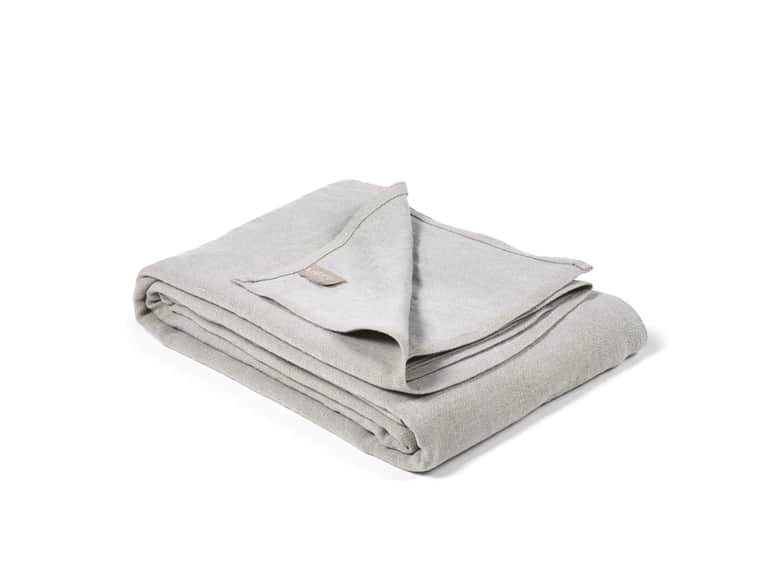
Blankets and quilts are versatile bedding layers that add warmth, provide surface coverage, and help coordinate a bed’s appearance. Coverlets, blankets, and bedcovers differ in construction and intended use, but each can complement sheets, pillows, duvet covers, or comforters. Understanding these distinctions helps match a layer to seasonal comfort, daily routines, and room styling.
The Black House Stripe Coverlet features a stripe design that can introduce visual structure to a bed while providing a neat top layer. As a coverlet, it is suited to layering over sheets or lighter blankets and can help keep bedding arranged. Its patterned surface also offers a way to coordinate surrounding pillows and other bedding.
Auburn Coverlet and Etienne Coverlet are coverlet options for adding an additional layer without relying solely on a bulky comforter. Their names distinguish individual designs, while their category role supports everyday bed coverage and coordinated layering. Coverlets can be useful in mild conditions, as decorative finishing layers, or as part of a bedding setup with sheets and pillows.
Hudson Blanket provides a familiar blanket layer for added comfort and warmth, whether used over sheets or alongside a duvet cover or comforter. Tex Bedcover serves as an upper bed layer that can help cover and organize the sleeping surface. These products offer different ways to adapt bedding to personal routines and room needs.
When comparing blankets, quilts, coverlets, and bedcovers, consider intended warmth, coverage, layering preferences, and how each item relates to existing bedding. Sheets form the base, pillows support rest, and duvet covers or comforters often provide substantial warmth; a lighter coverlet or blanket can complement them. Product names and designs help distinguish options within this bedding category.
 Bedding